Before tequila reaches fermentation, distillation, aging, or bottling, its production begins in the field. Agave harvesting is one of the most important stages in this journey because it determines which mature plants become the raw material for tequila production.
Harvesting blue agave requires knowledge, experience, and specialized techniques. The process is traditionally carried out by jimadores, skilled workers who select mature plants and remove their leaves to obtain the piña, the central part of the agave used to produce tequila.
Understanding agave harvesting helps explain why tequila production begins years before the agave reaches a distillery.

What Is Agave Harvesting?
Agave harvesting is the process of selecting mature agave plants, removing them from the soil, cutting away their leaves, and preparing the piñas for processing.
Unlike crops harvested every season, blue agave requires several years of growth before reaching maturity. This long agricultural cycle makes harvesting an important part of tequila production planning.
The objective is not simply to remove plants from the field. Producers need agave with characteristics suitable for their production requirements, making maturity and harvest timing important considerations.
How Does Harvesting Agave Work?
The traditional process of harvesting agave relies heavily on manual work and the experience of the jimador.
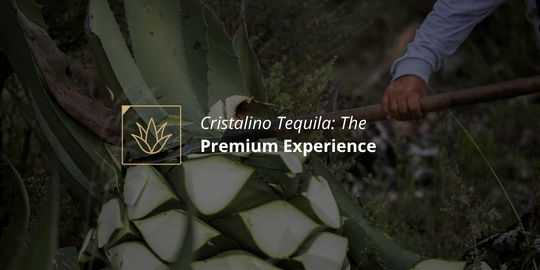
Once an agave plant is selected, the jimador removes the long leaves surrounding its center. This exposes the piña, whose appearance resembles a large pineapple.
The process generally involves:
- Identifying agave ready for harvest
- Removing the plant from the soil
- Cutting away the leaves
- Preparing the piña
- Transporting the harvested agave for processing
Although the process may appear straightforward, performing these tasks efficiently requires experience and knowledge of the plant.
Jimador Harvesting Agave: What Does a Jimador Do?
The jimador plays a fundamental role in traditional agave harvesting.
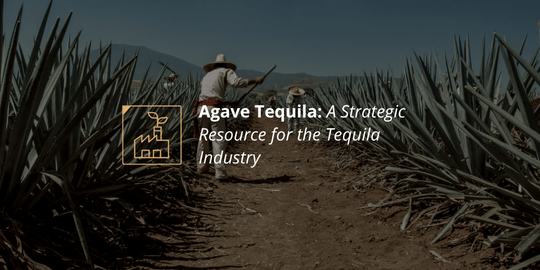
A jimador is a specialized agricultural worker responsible for identifying and harvesting mature agave. This work requires knowledge developed through experience in agave fields, including the ability to evaluate plants and prepare their piñas for production.
During the jima, the jimador removes the agave leaves and separates the piña from the plant.
The work of a jimador harvesting agave represents the transition between years of agricultural cultivation and the beginning of the tequila production process.
What Tool Is Used for Agave Harvesting?
The traditional agave harvesting tool is known as the coa de jima.
The coa consists of a long handle attached to a sharp circular blade. Its shape allows the jimador to cut away the pointed leaves surrounding the plant and expose the piña.
In experienced hands, the coa allows precise and efficient cuts around the agave.
Despite technological advances in other areas of tequila production, the coa remains one of the most recognizable tools associated with the traditional harvesting of blue agave.
Blue Agave Harvesting for Tequila Production
Tequila production is specifically associated with Agave tequilana Weber blue variety, commonly known as blue agave, within the territory and requirements established for tequila production.
For this reason, blue agave harvesting is directly connected to the tequila supply chain.
Once harvested and prepared, the agave piñas become the raw material that moves from agricultural production into the transformation stages required to produce tequila.
When Is Blue Agave Ready for Harvest?
Blue agave does not mature according to a short agricultural cycle. The plant requires several years of development before it can be ready for harvest.
The exact timing can vary according to factors such as growing conditions and plant development.
Determining when to harvest therefore involves evaluating the agave rather than relying exclusively on its age.
Experienced growers and jimadores assess the plants to identify the appropriate stage for harvesting.
Because agave takes years to develop, decisions made in the field also influence the availability of raw material for future tequila production.
Why Does Agave Maturity Matter?
During its development, blue agave accumulates carbohydrates that become important during the subsequent stages of tequila production.
This makes maturity an important consideration when selecting plants for harvest.
Harvesting decisions connect agriculture directly with tequila production because the characteristics of the raw material entering the process can influence the stages that follow.
For this reason, harvesting agave for tequila is more than an agricultural task. It represents the first major transition between cultivating the plant and transforming it into tequila.
What Part of the Agave Is Harvested for Tequila?
The central part of the agave used in tequila production is commonly known as the piña.
Before harvesting, the plant consists of a central core surrounded by long, pointed leaves. During the jima, the jimador removes these leaves to expose and prepare the piña.
Agave piñas can vary considerably in size depending on plant development and growing conditions.
Once the jima is complete, the harvested piñas can be transported to the production facility for processing.
What Happens After Agave Harvesting?
Once agave harvesting is complete, the process moves from the field toward tequila production.
The harvested piñas are transported to a production facility, where the transformation of the agave can begin.
The major stages that follow generally include:
- Cooking the agave
- Extraction of its sugars
- Fermentation
- Distillation
- Aging, when applicable
- Preparation and bottling of the finished tequila
Each stage introduces additional production variables, but the agave remains the starting raw material for the entire process.
Harvesting Agave for Tequila: Why Is It Important?
Harvesting agave for tequila represents the connection between agricultural planning and tequila production.
Before fermentation or distillation can occur, producers need access to appropriate blue agave. This makes agave availability, maturity, harvesting schedules, transportation, and production requirements interconnected.
For producers operating at scale, coordinating the field with production capacity becomes especially important.
A consistent supply of suitable agave helps support production planning and continuity.
Does Agave Harvesting Influence Tequila Quality?
The characteristics of tequila cannot be attributed to one stage alone.
Cooking, fermentation, distillation, and aging can all influence the finished spirit. However, the process begins with the raw material.
Agave harvesting determines which plants enter production and how the piñas are prepared before processing.
Careful harvesting provides producers with raw material aligned with their production requirements and creates the foundation for the stages that follow.
Consistency in tequila therefore begins long before distillation—it begins in the agave fields.
Agave Harvesting and Production Planning
The long growth cycle of blue agave creates an important planning challenge.
Agave requires years to reach maturity, while tequila producers need a continuous supply of raw material to maintain production.
Planning may therefore involve factors such as:
- Availability of mature blue agave
- Expected production volumes
- Harvest schedules
- Transportation
- Processing capacity
- Inventory requirements
- Future market demand
Unlike materials that can be replenished within weeks or months, agave requires long-term agricultural planning.
Understanding this cycle is important for maintaining continuity throughout tequila production.
Why Are Agave Fields Important to the Tequila Supply Chain?
Agave fields are the starting point of the tequila supply chain.
Before distillation equipment, barrels, bottles, or packaging become part of the process, blue agave must grow for years and reach the appropriate stage for harvesting.
This makes agricultural planning an important component of tequila production.
For producers, understanding agave availability can help align raw material supply with production requirements and expected demand.
From Agave Harvesting to Consistent Tequila Production
Producing tequila consistently requires coordination across multiple stages.
The process begins with blue agave cultivation and agave harvesting, continues through cooking, extraction, fermentation, and distillation, and eventually reaches aging and bottling depending on the product being developed.
For companies creating their own tequila products, understanding this complete chain can be valuable when evaluating a production partner.
The producer must consider not only the characteristics desired in the finished tequila, but also the raw materials, production capacity, planning, and processes required to achieve consistent results.
Agave Harvesting: Where Tequila Production Begins
Agave harvesting is much more than cutting a mature plant from the field. It is a specialized process connecting years of blue agave cultivation with the beginning of tequila production.
From the experience of the jimador and the traditional coa to the selection and preparation of mature piñas, harvesting agave establishes the raw material that will continue through cooking, fermentation, distillation, and, when applicable, aging.
Understanding this stage provides brands with a broader perspective on the importance of agricultural planning, raw material availability, and production consistency.
At Dialce, our experience across the tequila production process allows us to work with companies seeking to develop products according to their brand and market requirements. Understanding the process from agave to finished tequila helps support production planning and the development of products prepared for their target markets.
More articles:
- From Agave Fields to Tequila: The Importance of Raw Material Origin
- Prebiotic Fiber: The Key to Better Gut Health and Functional Nutrition