Tequila begins long before it reaches a bottle. Its story starts in the agave fields, where the plants grow for several years before reaching the level of maturity required for harvesting.
For the tequila industry, agave fields represent much more than agricultural land. They are the first link in a production chain that connects agriculture, tradition, technology, distillation, and commercialization.
The quality of the raw material can influence different stages of the production process. Therefore, having access to quality agave and maintaining proper control from the field can become an important advantage for a tequila producer.
At Dialce, this connection is part of our production philosophy. The company operates under an integrated model that oversees the process from agave cultivation and harvesting to tequila production and distribution.

Why Are Agave Fields Important for Tequila Production?
The relationship between the field and tequila is direct.
The blue agave used for tequila production needs several years to develop before it can be harvested. During this period, the plant accumulates the sugars that will later be used during the production process.
The timing of the harvest is especially important. An agave plant that has not yet reached adequate maturity may have characteristics that differ from those expected for production.
On the other hand, selecting mature plants allows producers to make better use of the raw material and maintain more consistent conditions throughout the following stages.
For this reason, properly managing agave fields is an activity that can have an impact throughout the entire production chain.
Agave tequilana Weber in Mexico’s Agave Fields
Tequila is produced using Agave tequilana Weber blue variety, a plant closely associated with the identity and tradition of this Mexican spirit.
This species is grown in regions authorized under the Tequila Denomination of Origin, including Jalisco and specific areas of other Mexican states.
Jalisco has particular historical and productive importance for the tequila industry. Dialce has facilities in Jalisco and operates within a supply chain that connects agave fields with tequila production and distribution.
The territory where agave is grown can also influence the characteristics of the plants. Factors such as soil, climate, altitude, and agricultural practices are all part of the environment in which the crop develops.
How Long Does Agave Take to Grow for Tequila?
One of the defining characteristics of agave cultivation is the amount of time required for the plant to reach maturity.
Depending on different conditions and cultivation practices, blue agave may require approximately 6 to 10 years before it is ready for harvest.
Throughout this period, producers must carry out different maintenance and monitoring activities.
This means tequila production requires long-term planning. A company cannot simply plant agave and expect to obtain raw material a few months later.
Agave fields require an agricultural strategy that takes both current and future production needs into account.
For a large-scale tequila producer, having access to agave fields and raw materials can contribute to a more controlled supply chain.
What Factors Influence Agave Growth?
The development of agave plants depends on different environmental and agricultural factors.
Soil type: Soil provides physical support and nutrients for plant development.
Soil characteristics can vary considerably between regions and may influence how agave develops.
Climate: Temperature, rainfall, and regional weather conditions affect plant growth.
Agave is adapted to relatively dry conditions, but its development still depends on the specific characteristics of its environment.
Altitude: Elevation can influence factors such as temperature, humidity, and plant development.
As a result, different tequila-producing regions may have distinctive characteristics in their agave fields.
Agricultural management: The practices used throughout cultivation are also important.
Plant maintenance, weed control, growth monitoring, and plant selection are all part of proper field management.
How Is Agave Harvested?
Once agave reaches the appropriate level of maturity, it is ready to be harvested.
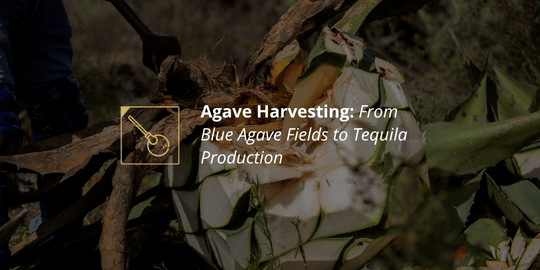
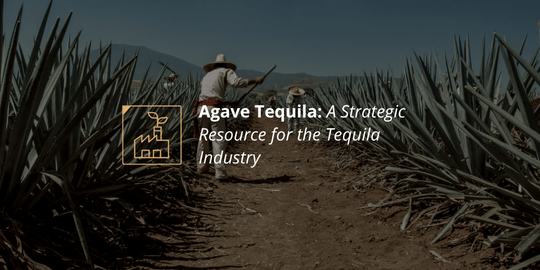
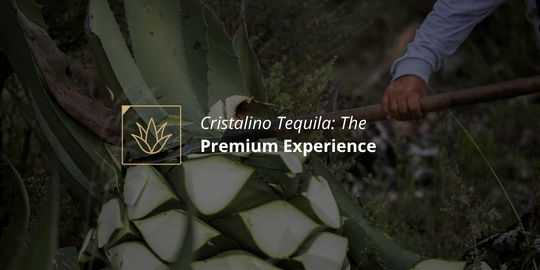
This traditional activity is closely associated with the work of jimadores, skilled workers who understand the plant and use a coa to remove its leaves and obtain the piña.
The piña is the heart of the agave plant and contains the carbohydrates that will be used during the production process.
Harvesting requires experience because each plant may have different characteristics, and it is necessary to determine whether it is in suitable condition for processing.
The work carried out in the fields therefore has a direct connection with the subsequent stages of tequila production.
From Agave Fields to the Distillery
Once harvested, the agave leaves the fields and begins another stage of its journey.
The raw material is transported to the facilities where it will be prepared and processed.
In general terms, the tequila production process includes stages such as:
- Agave selection and harvesting.
- Transportation of the piñas.
- Cooking.
- Sugar extraction.
- Fermentation.
- Distillation.
- Aging, when applicable.
- Bottling or preparation for distribution.
Each stage requires specific controls.
This is why the connection between the agave fields and production facilities is so important for maintaining an efficient supply chain.
Dialce highlights this vertical integration as one of its key differentiators, overseeing the process from access to agave fields through tequila production and distribution.
How Does Agave Origin Influence Tequila?
The place where agave grows is part of the characteristics of the raw material.
Differences in soil, climate, altitude, and agricultural conditions can create variations in plant development.
These characteristics can influence the sugars available in the plant and, subsequently, certain aspects of the production process and the sensory profile of tequila.
For this reason, talking about tequila also means talking about territory and agriculture.
The concept of terroir, widely used across different agricultural industries, helps explain how the environment can contribute to the characteristics of a raw material.
In tequila production, agave fields represent a connection between the land, the plant, and the final product.
The Importance of Controlling the Supply Chain
For a company producing tequila on a large scale, relying exclusively on external raw material suppliers can create different challenges.
Agave availability, plant quality, harvest timing, and logistics are all factors that must be carefully managed.
Greater integration across the supply chain can make planning easier.
At Dialce, direct access to agave fields is part of a vertical integration strategy that connects the supply of raw materials with production facilities.
This is especially relevant for customers who require a consistent supply of bulk tequila or are developing a private-label tequila brand.
Agave Fields and Bulk Tequila Production
Access to raw materials is particularly important when working with large volumes.
The production of bulk tequila requires the ability to maintain a consistent supply and meet the specifications of different customers.
Dialce has a production capacity of up to 135,000 liters per day and a storage capacity of approximately 45 million liters, according to the information published by the company.
This production capacity must be supported by a supply chain capable of providing the necessary raw materials.
For this reason, agave fields should not be considered an isolated element, but rather part of a much broader production infrastructure.
Why Are Agave Fields Important for a Tequila Brand?
For a brand looking to develop or commercialize tequila, understanding the origin of its raw material can be an important differentiating factor.
Today’s consumers are increasingly interested in where products come from, while international buyers and distributors need suppliers capable of guaranteeing quality, consistency, and compliance.
An integrated supply chain can provide advantages such as:
- Greater control over raw materials.
- Supply planning.
- Monitoring throughout the production stages.
- Greater traceability.
- Large-scale production capacity.
- Product consistency.
- A direct connection to the origin of tequila.
This is why agave fields are part of the story behind every bottle of tequila.
Dialce: From Agave Fields to International Markets
At Dialce, production begins in the field.
The company has more than 25 years of experience in the production and distillation of bulk and private-label tequila, with a model that integrates agave cultivation, production, storage, and distribution.
This integration allows Dialce to provide solutions for companies looking to develop or expand their presence in the tequila market.
Dialce works with 100% agave tequila and has the infrastructure required to serve projects of different scales.
In addition, the company has an international presence in more than 40 countries, connecting Mexican tequila production with markets around the world.
The philosophy of “from the field to your glass” summarizes this vision: maintaining a connection between the agricultural origin of agave and the product that ultimately reaches the consumer.
The Future of Agave Fields
The tequila industry continues to grow internationally, but this growth also creates challenges for the supply of raw materials.
Agave requires several years to reach maturity, which means agricultural planning will become increasingly important for maintaining stable production.
At the same time, the industry will need to continue working on practices that allow resources to be used responsibly while preserving the productive capacity of agave fields.
Technology, agricultural expertise, and supply chain integration will be important elements in addressing these challenges.
Agave fields are not simply where tequila production begins. They are an essential part of its identity, quality, and future.
Agave fields represent the first link in a chain that connects agriculture, tradition, technology, and tequila production.
Blue agave needs several years to develop and accumulate the sugars that will later be used during tequila production. Therefore, field management, raw material selection, and harvest timing are fundamental aspects of the industry.
For tequila producers and buyers, having a controlled supply chain can provide important advantages in terms of quality, availability, traceability, and production capacity.
At Dialce, this connection is part of our production philosophy. From our agave fields to our production facilities and international markets, we seek to maintain control and quality throughout every stage of the supply chain.
Tequila begins long before the bottle. It begins in the agave fields.
Explore more articles:
- Prebiotic Fiber: The Key to Better Gut Health and Functional Nutrition
- Why agave products are taking over the health and wellness market