Tequila is more than a spirit — it’s a symbol of craftsmanship and Mexican tradition. For true enthusiasts, high-end tequila represents the peak of this heritage, capturing the essence of blue agave, the artistry of skilled distillers, and the time-honored methods that turn the plant into liquid gold.
Unlike the tequila used for quick shots or cocktails, high-end tequila is meant to be savored. Made from 100% blue Weber agave and often aged in oak barrels, it reveals layers of flavor — from earthy and herbal tones to hints of caramel and spice. Each sip tells a story of passion, patience, and perfection.
Exploring high-end tequila is more than tasting; it’s an appreciation of the culture, craftsmanship, and dedication behind every bottle. Whether you’re discovering new flavors or building a refined collection, this spirit offers an experience that goes far beyond the glass.
Introduction to High-End Tequila
Tequila has been an essential part of Mexican culture for centuries, tracing its roots back to the indigenous peoples of Mesoamerica, who fermented agave sap to create a drink known as pulque. When Spanish colonizers introduced distillation techniques, tequila as we know it today was born.
Yet, not all tequilas are created equal — and high-end tequila stands at the very top. To earn this distinction, it must be made from 100% blue Weber agave, a plant native to Mexico. By law, true tequila can only be produced in specific regions, primarily in the state of Jalisco, as well as select areas of Guanajuato, Michoacán, Nayarit, and Tamaulipas.
What sets high-end tequila apart is its purity and craftsmanship. While lower-cost varieties may contain only 51% agave and other sugars from corn or cane, premium tequilas are made entirely from agave, offering a more refined, balanced, and complex flavor.
Every bottle of high-end tequila reflects tradition, patience, and artistry — from the harvesting of mature agave plants to the slow distillation and careful aging process that gives the spirit its smooth, sophisticated character. It’s not just a drink; it’s a celebration of Mexican heritage and excellence.
The Production Process of High-End Tequila
Producing high-end tequila is a time-intensive craft that demands precision, patience, and respect for tradition. Every stage — from harvesting to distillation — is carefully controlled to ensure exceptional quality and flavor.
Harvesting Blue Agave
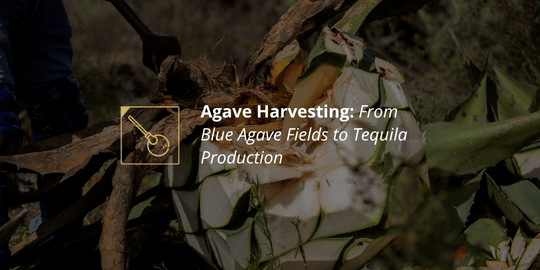
The journey begins in Mexico’s agave fields, where blue Weber agave plants take between seven and ten years to mature. During this time, the plant stores natural sugars in its core, or piña, which later serve as the foundation for fermentation. Skilled jimadores harvest the agave using a sharp tool called a coa, removing the spiky leaves and revealing the heart of the plant, which can weigh over 100 kilograms.
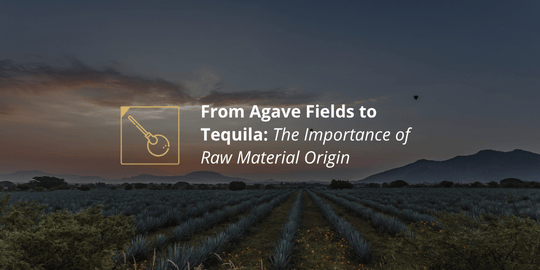
The region where the agave grows influences the final flavor profile. Highland agave tends to be sweeter and more floral, while lowland agave produces more earthy and herbal notes — both essential characteristics that define high-end tequila.
Cooking and Extraction
Once harvested, the piñas are slowly cooked to convert their starches into fermentable sugars. Traditional brick ovens are often preferred over modern autoclaves, as the slow cooking process enhances sweetness and caramelized depth. After cooking, the softened agave is crushed — either with a traditional tahona stone wheel or modern mills — to extract the sweet juice known as aguamiel.
Fermentation and Distillation
During fermentation, the natural sugars transform into alcohol. This stage is crucial in shaping the unique aroma and body of high-end tequila. Some producers rely on wild yeasts for a natural fermentation process, while others use selected strains for consistency. The process can last several days, depending on temperature and humidity, allowing the tequila to develop its signature complexity.
Next comes distillation — typically performed twice — to purify the liquid and concentrate its flavors. Copper stills are widely used for their ability to evenly distribute heat and remove impurities, producing a smooth, refined spirit. The distilled tequila is then adjusted to around 40% ABV and, depending on the type, either bottled immediately as blanco or aged in oak barrels to create reposado or añejo.
Every drop of high-end tequila is the result of years of cultivation, careful craftsmanship, and a deep respect for the agave plant — a true reflection of Mexico’s artistry and dedication.
Types of High-End Tequila
The aging process plays a crucial role in shaping the final flavor of high-end tequila. Depending on how long it’s aged, each type offers a distinct tasting experience — from the crisp vibrance of blanco to the deep complexity of extra añejo.
Blanco (Silver)
Blanco tequila is the purest expression of the agave plant. It is either unaged or aged for less than two months in stainless steel or neutral oak barrels. Because it isn’t aged, blanco retains the bright, herbal, and peppery flavors of fresh agave. It’s crystal clear and perfect for cocktails like margaritas or palomas, though many tequila enthusiasts also enjoy it neat to experience the true essence of agave.
The flavor of blanco tequila can vary by region — highland agave tends to produce sweeter, more floral notes, while lowland agave yields earthier, spicier tones. For those seeking a clean and authentic taste, blanco is the foundation of any high-end tequila collection.
Reposado
Reposado tequila is aged from two months to one year in oak barrels, allowing it to develop smoothness and subtle complexity. The aging process introduces gentle notes of vanilla, caramel, and spice while preserving the freshness of agave. Its pale golden hue reflects the balance between the vibrant character of blanco and the richer, deeper tones of añejo.
The type of barrel used can greatly influence its profile. Some producers use new American oak for bold flavor, while others choose casks that previously held whiskey or wine for layered nuances. Reposado is one of the most versatile forms of high-end tequila, equally enjoyable neat, on the rocks, or in refined cocktails.
Añejo
Añejo tequila is aged for at least one year but less than three in small oak barrels. This longer aging time imparts a deep amber color and a rich, complex flavor with notes of oak, dark chocolate, dried fruit, and caramel. The agave remains present but harmonizes beautifully with the smoky and woody undertones from the barrel.
Añejo is best savored slowly, much like a fine cognac or whisky, to fully appreciate its silky texture and evolving flavors. It represents the craftsmanship and depth that define high-end tequila.
Extra Añejo
Extra añejo tequila, introduced as an official category in 2006, is aged for at least three years in oak barrels. This extended maturation results in a dark, mahogany hue and an extraordinarily smooth, velvety profile. Its flavor complexity often rivals that of luxury aged spirits, with layers of cocoa, tobacco, and roasted nuts mingling with the sweetness of agave.
Considered the pinnacle of high-end tequila, extra añejo is a true collector’s spirit — meant to be enjoyed in small sips, celebrating the artistry and patience that define Mexico’s most refined distillation tradition.
High-End Tequila Tasting
Tasting a high-end tequila is an art that goes beyond simply drinking it — it’s about engaging all your senses to appreciate the craftsmanship behind every bottle. Each sip reveals layers of aroma, flavor, and texture that reflect the passion and skill of the distiller.
Proper Glassware
Forget the traditional shot glass. To truly enjoy a high-end tequila, use a brandy snifter, tulip glass, or a specialized tequila glass. Their narrow rim and wide bowl help capture and concentrate the aromas, allowing for a deeper appreciation of the spirit’s complexity.
Tasting Technique
- Observe the color: The shade hints at the aging process — clear for Blanco, golden for Reposado, and deep amber for Añejo or Extra Añejo.
- Swirl the glass: This releases aromas and helps assess the tequila’s body and texture by observing the “tears” running down the glass.
- Smell carefully: Inhale gently to identify the different notes — citrus, herbal, vanilla, caramel, or spices, depending on the type.
- Sip slowly: Let the tequila rest on your palate to appreciate its balance and depth. A true high-end tequila should never burn but feel smooth and harmonious.
- Enjoy the finish: Notice how long the aftertaste lingers — a long, evolving finish is a mark of superior quality.
Flavor Profiles
- Blanco: Clean, bright, and agave-forward, often with herbal or citrus notes.
- Reposado: Balanced between agave freshness and oak smoothness, with hints of vanilla and light caramel.
- Añejo & Extra Añejo: Rich, complex, and velvety, featuring notes of oak, chocolate, dried fruits, and spice, with a long, elegant finish.
By focusing on color, aroma, taste, and finish, you can fully appreciate the depth, character, and sophistication that define a true high-end tequila experience.
High end tequila is more than a drink — it’s a tribute to Mexican artistry, heritage, and passion. At Dialce, we celebrate this legacy by honoring the craftsmanship and tradition behind every sip, inviting you to experience tequila as it was truly meant to be enjoyed: refined, authentic, and unforgettable.
Read more about the industry: How to Start Your Own Tequila Brand?: Enter the Market Successfully with Bulk Tequila and The best tequila produced in Mexico for your brand

Frequently Asked Questions About High-End Tequila
What is the highest quality tequila?
The highest quality tequila is made from 100% blue Weber agave and crafted using traditional, artisanal methods. These tequilas are carefully distilled and often aged in oak barrels to enhance their smoothness and complexity. High-end tequilas stand out for their purity, balance, and refined flavor profiles that highlight the essence of the agave.
What are the premium tequilas?
Premium tequilas are those that go beyond mass production and focus on craftsmanship, origin, and quality. They are typically made in small batches, with attention to detail throughout every step of the process — from harvesting mature agave to slow cooking and aging. These tequilas can range from Blanco, known for its vibrant and fresh character, to Añejo or Extra Añejo, which offer deep, layered flavors from extended barrel aging.
What is the most luxury tequila?
Luxury tequilas are those that embody the pinnacle of artistry and aging. They are usually Extra Añejo tequilas, matured for several years in carefully selected barrels. The result is a spirit with exceptional depth, a velvety texture, and a long, elegant finish. Luxury tequilas are meant to be sipped slowly and appreciated much like fine cognacs or aged whiskies.
Which is the top shelf tequila?
A top shelf tequila refers to any tequila that exemplifies superior craftsmanship and flavor — typically made from 100% agave, aged with care, and bottled in limited quantities. These tequilas are smooth, complex, and aromatic, designed for sipping rather than mixing, representing the finest expression of Mexico’s tequila-making tradition.